
Board role
Take responsibility on the Executive, Regular or Special Board.
We run a network that gives students more hands-on learning opportunities, whether by attending our events or helping to organize them. Together with our partners, we are working to offer practical workshops and other interactive events. We also aim to bring back PsyCON as a yearly national congress. A new edition will depend on having enough members and interested volunteers to form an organizing team.
The association over time
Before its rebranding in 2026, the association was known as psyCH. Generations of students organized events, built shared projects and passed their experience on to the next team.
Our timeline traces that work and recognizes the Dinos and everyone who helped shape the association.
Read our historyAt PsyCH-Students, ideas can come from anywhere: a conversation among students, a workshop someone wants to organize, or a question that deserves a collective answer. We turn these ideas into collaborative projects by connecting people, assigning tasks, and making knowledge available to the next team. There are various ways to get involved—from contributing to a project to taking on responsibility for a department.
The Association Assembly elects the Executive Board. Seven departments, including the Presidency, organize our day-to-day work. The members of the Executive Board assume leadership roles, the members of the Regular Board bear operational responsibility, and the members of the Special Board take on specific, association-wide tasks.
Follow the structure from the Association Assembly to the Board and its seven departments. Open any department or group to explore its responsibilities; each panel opens independently.
Seven departments form the operational core. Open a department to explore its purpose and the people responsible for leading and carrying its work.
Three types of mandate work across the departments. The same labels and subtle color accents identify each role below. Select a category to read how it contributes.
The Presidency and Department Heads work directly within their respective areas and take ownership of defined tasks and projects. As the main responsible persons, they coordinate priorities, support decisions, oversee ongoing work and ensure responsibilities are followed through.
Department Managers work within the same departments and contribute to the same areas of responsibility. They take ownership of defined tasks and projects, coordinate their work with the relevant Department Head and help keep the department's work reliable and continuous.
Special Board roles take ownership of defined association-wide responsibilities and projects outside the standard department Head/Manager structure. They coordinate with the relevant Board members and carry responsibility for their specific function. In this chart, the EFPSA Member Representative is shown within Cooperations and the Head of PsyCON within Events. Both remain Special Board mandates.
Seven Departments
Role labels distinguish Executive, Regular and Special Board mandates. Special roles sit with the department they support, without becoming Regular Board manager positions.
Sets the overall direction, chairs and structures decisions, coordinates the departments and represents the association. It also safeguards continuity in major projects and partnerships.
The Head oversees budgeting, financial planning, reporting and compliance. Operational work includes bookkeeping, tracking transactions, handling reimbursements and keeping the supporting records complete.
Keeps information clear inside and outside the association. The department coordinates communication protocols, social media, public presence and shared repositories. Every department relies on this work.
Develops relationships with external organizations. The Head identifies opportunities and shapes proposals in line with our mission. Managers keep track of contacts, follow up on agreements and maintain the records.
Represents PsyCH-Students within EFPSA and connects Swiss psychology students with the European network. This Special Board mandate is shown within Cooperations and coordinates with the relevant Board members.
Plans events that are useful to psychology students. Strategic work covers concepts, timelines and quality standards. Operational work covers logistics, scheduling, coordination with everyone involved and follow-up.
Leads PsyCON as a defined association-wide event responsibility. This Special Board mandate is shown within Events and remains outside the standard department Head/Manager structure.
Represents student interests in educational, professional and societal debates. The department follows relevant developments, supports the association's positions and coordinates advocacy initiatives.
Maintains the website and digital systems, keeps online information current and supports reliable technical workflows. Its work helps each new team inherit tools they can use.
Advisors and the Auditor support good governance while remaining outside Board membership. Their contributions provide guidance or independent review, without executive responsibility.
Experienced people offer guidance and feedback when asked. They do not hold executive responsibility and remain outside Board membership. Their experience remains available even as board members change.
Independently reviews the annual finances and checks that the processes and reporting are ready for the Association Assembly. The Auditor is separate from the Board and is not involved in day-to-day financial management.
Project teams work within an agreed scope and timeline, coordinated with a department or responsible board member. They may work across departments and offer a way to contribute without a board mandate.
Open to all psychology students in Switzerland. Community Members stay informed and connected without formal responsibilities. They can choose to contribute to projects, Working Groups and association activities, or take on a role later.
Psychology students in Switzerland can take part, including bachelor's and master's students and PhD candidates who hold a master's degree in psychology.
Take responsibility on the Executive, Regular or Special Board.
Contribute to a specific project without holding a board mandate.
Stay informed and connected, without taking on formal responsibilities.
Choose the form of involvement that matches the responsibility you want to take on and the time you can realistically contribute.
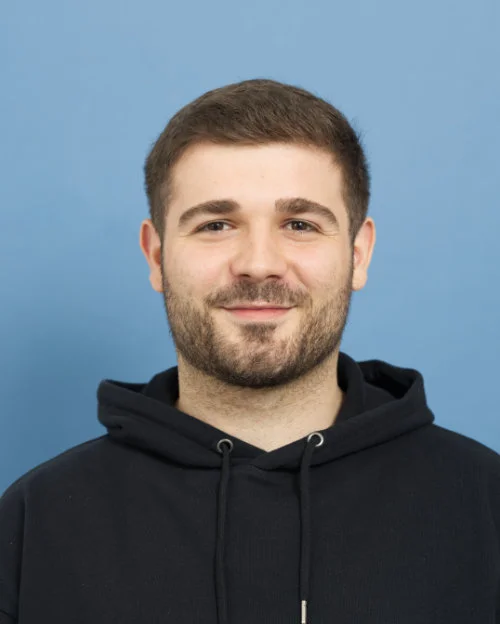
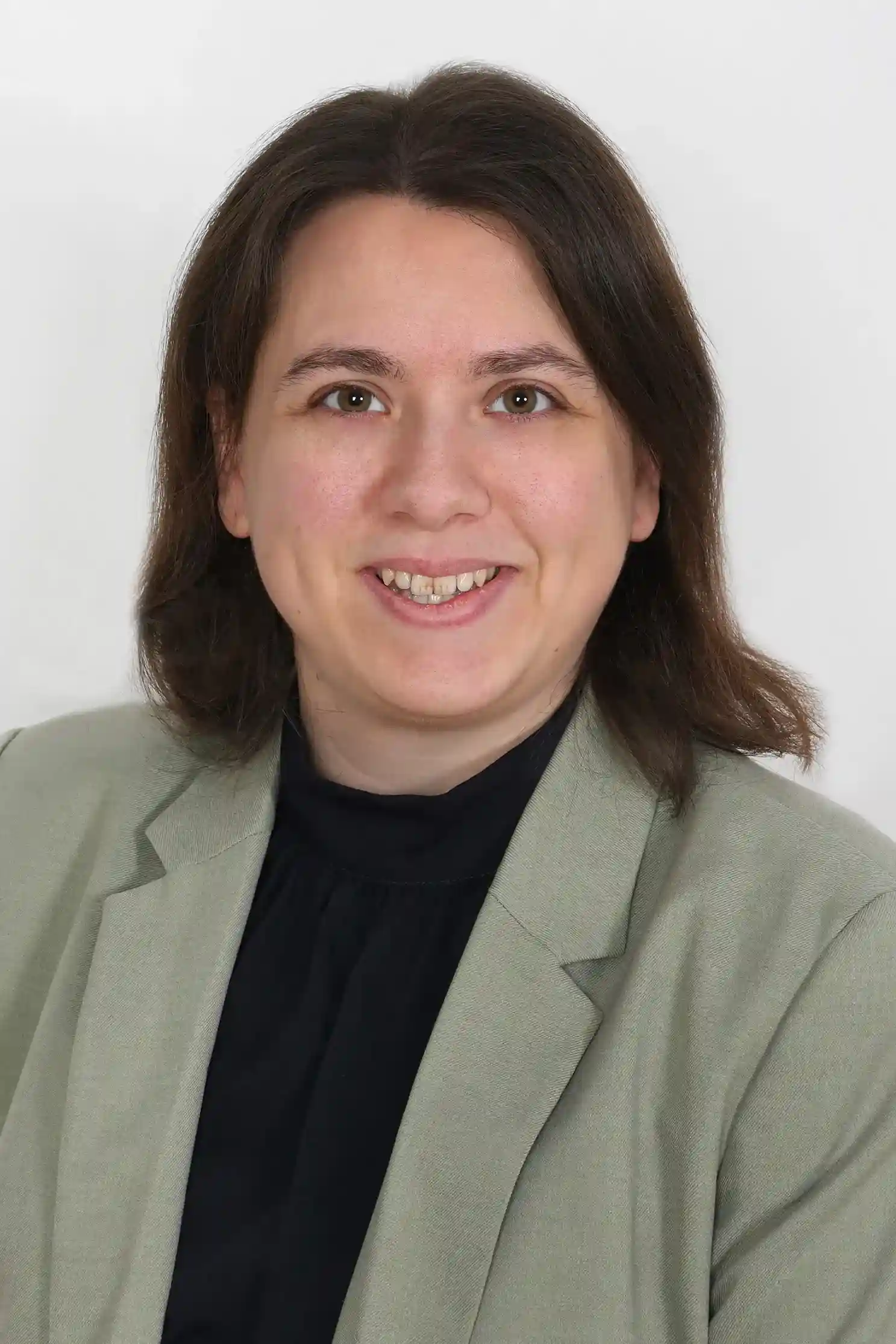
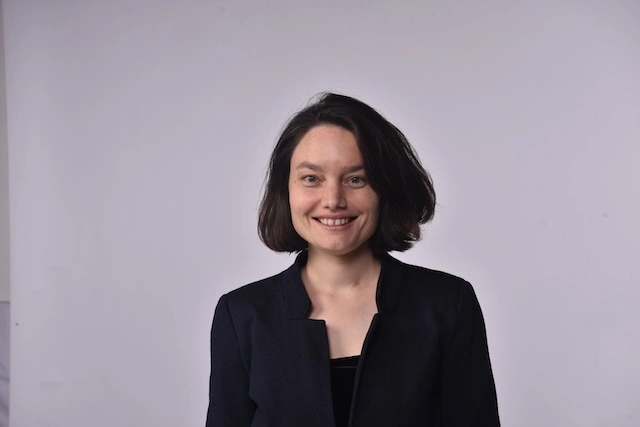
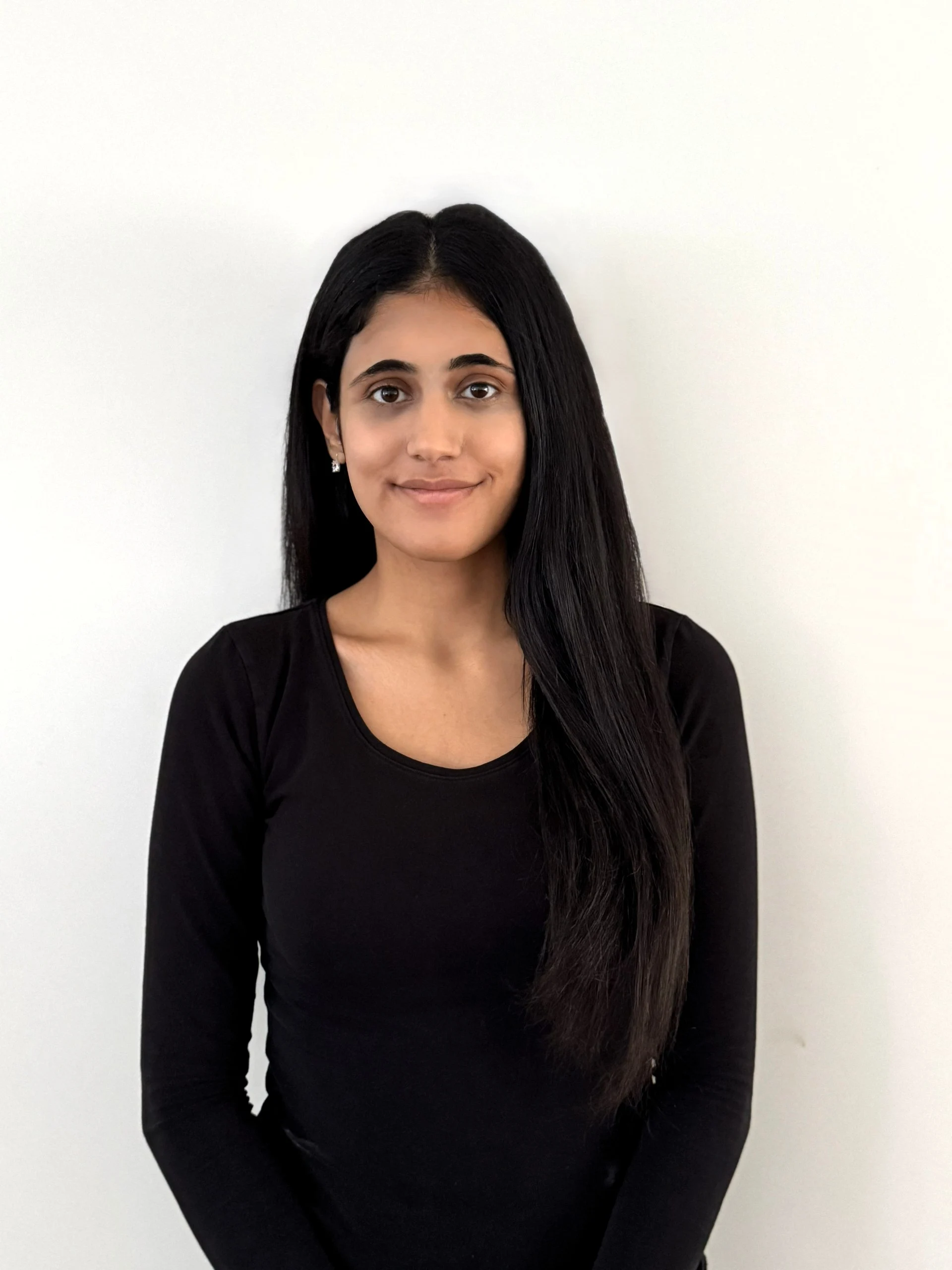
Meet the people shaping PsyCH-Students. Roles reflect current responsibilities, and languages spoken show how you can connect with each team member.






Questions about the association, getting involved or a possible collaboration are welcome here.
info@psych-students.ch info@psych-students.ch

